Stray Cat Film Center Kansas City, MO
Dr. Lee Dugatkin
Evolutionary Biologist; Historian of Science, Department of Biology at the University of Louisville
The Secret of NIMH— Rodent Dystopia: The Real Rats of NIMH
Program Description
Overpopulation! Paranoia! Rodent cities! Dr. Dugatkin's discussion "Dr. Calhoun and the Rats of NIMH: The Real Story" will delve into the work of John B. Calhoun, whose controversial experiments on rodents in the '60s served as the inspiration for Robert C. O'Brien's 1971 novel, Mrs. Frisby and the Rats of NIMH.
Presented At
Stray Cat Film Center Kansas City, MO
Film Synopsis
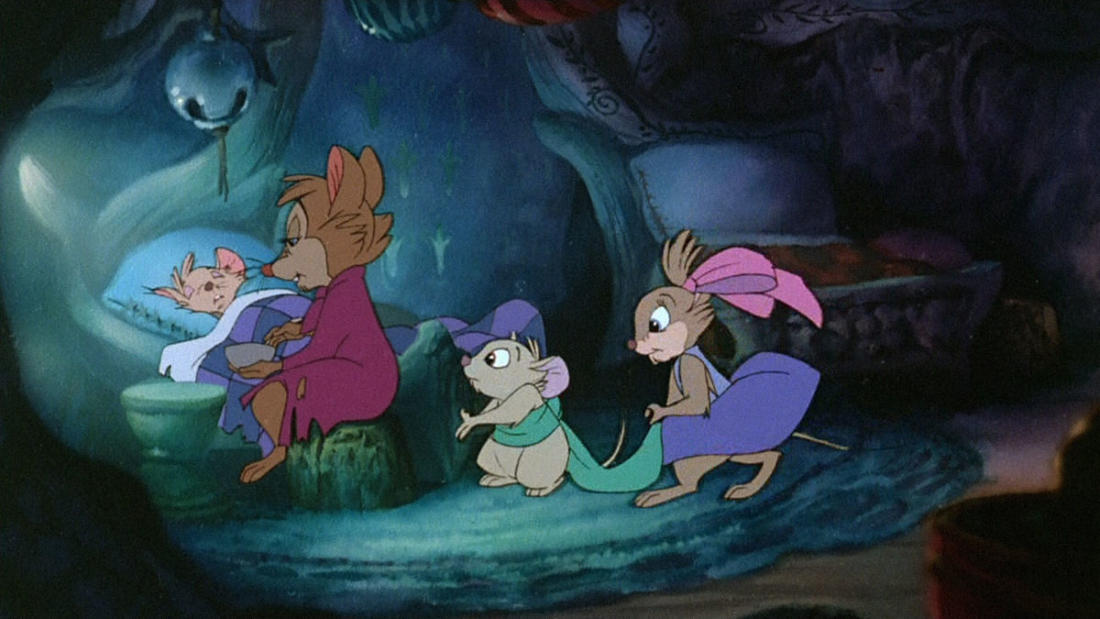
To save her ill son, a field mouse must seek the aid of a mysterious colony of rats, with whom she has a deeper link than she ever suspected.
Mrs. Brisby (Elizabeth Hartman), a widowed mouse, must move her children out of their home in a field before the local farmer starts plowing. Unable to leave because her son is ill, Mrs. Brisby seeks the help of nearby rats, who have heightened intelligence after being the subjects of scientific experiments. She receives an unexpected gift from the elder rat, Nicodemus (Derek Jacobi). Soon Mrs. Brisby is caught in a conflict among the rats, jeopardizing her mission to save her family.
About the Speaker
Dr. Lee Dugatkin is an evolutionary biologist and a historian of science in the Department of Biology at the University of Louisville. Forbes Magazine describes Dr. Dugatkin's book, Dr. Calhoun's Mousery: The Strange Tale of a Celebrated Scientist, a Rodent Dystopia, and the Future of Humanity as “a compelling biography about a groundbreaking scientist and his controversial work, using rodent cities—rodentopias—to identify and examine the potential catastrophes that might befall human overpopulation. . . . Dugatkin does an excellent job of investigating, documenting and writing about Dr. Calhoun’s life and work. . . . Drawing on previously unpublished archival research and interviews with Calhoun’s family and former colleagues, Dugatkin offers a riveting account of an intriguing scientific figure. Considering Dr. Calhoun’s experiments, he explores the changing nature of scientific research and delves into what the study of animal behavior can teach us about ourselves.”